
SOLAR LEADS & DATA
Solar Data That's Been Looked At From Above
Most solar lists are a database query. Ours are checked against current aerial imagery — every property assessed for existing panels, shading, roof condition and usable area before it ever reaches your dialer.

$0.03 per verified record. Roofing data, same price.
You're paying to call homes that already went solar
Every solar list on the market is built the same way — filter a property database by homeowner status, income band and zip code, then sell it. Nothing in that process ever looks at the actual house.
So your reps burn dials on homes with a full array already on the roof. On homes buried under mature tree canopy where the numbers will never work. On roofs three years from replacement, where no reputable installer will mount a twenty-five year system.
None of that is visible in a database field. All of it is obvious from the air.
Three stages. Most vendors stop at the first.
1 Public record foundation
County property appraiser records and public filings — official sources of record. Ownership, property characteristics, construction and improvement history, structure size and assessed value. Not a broker file that's already been worked by three vendors before you.
2 Property-level filtering
Owner-occupied only — a twenty-year payback is a conversation for the person paying the power bill, not an absentee landlord. Then structure size, valuation band and improvement history, so the list is already shaped like a solar customer before anyone looks at it.
3 AI aerial verification
Every property that clears stage two is assessed by a computer vision model against current aerial imagery. Not a database field. The actual structure.
The model reads:
- Existing panels — rooftop arrays are unmistakable from above. Homes that already went solar are pulled out.
- Shading — tree canopy over the roof plane. The single most common reason a solar quote dies.
- Roof condition — nobody mounts a twenty-five year system on a roof with two years left.
- Usable area and orientation — how much roof there is to work with, and which way it faces.
- Roof material — tile changes the install cost. Your rep should know before the call.
- Pool — a strong consumption signal. Pumps and heaters mean a power bill worth offsetting.
Every assessment carries a confidence rating. Low-confidence reads are held back rather than passed along as filler.
$0.03 per record. Verified records only.
Three cents per record, for solar and for roofing data alike. You're billed on what survives verification — not on the raw list we started from. The properties we drop cost you nothing.
Every record includes:
- Owner name and property address
- Validated phone numbers, with mobile and landline identified
- Property detail — year built, structure size, valuation
- Full aerial assessment with confidence rating
- Federal DNC scrub, applied before delivery
Delivered as a clean file, ready to load straight into your dialer.
Our lists come back smaller. That's the product.
In sample testing, aerial verification removed roughly seven out of ten properties that had already passed record-level filtering — homes that were already handled, or in a condition where the call was never going to convert.
A cheaper list isn't cheaper when your reps spend the week dialling houses that were never candidates. You're paying for the properties worth calling, and not paying for the rest.
Roofing data, same engine, same $0.03
The same aerial verification runs for roofing contractors — with the judgement inverted. Where solar wants a roof in good condition, roofing wants surface wear, patching and tarping. And critically, it compares imagery across multiple years to catch roofs that have already been replaced.
A 2004 home re-roofed in 2019 still looks twenty-two years old in every public dataset on the market. It does not look that way from above. That single check is the difference between a list your crews can work and a list that wastes their week.
Before anyone is called
We look at the roof first
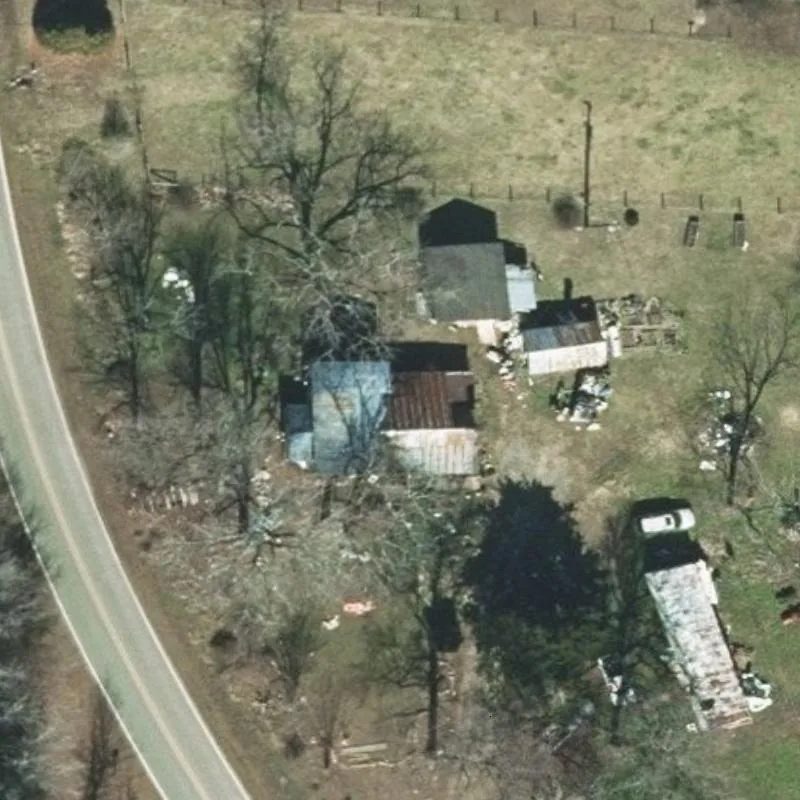
No property database in the United States records whether a house already has solar panels, and none records what a tree will do to the roof in July. It is obvious from directly above, so that is where we check — every roof, before it reaches you. These are real checks from our North Carolina runs, shown by city only.
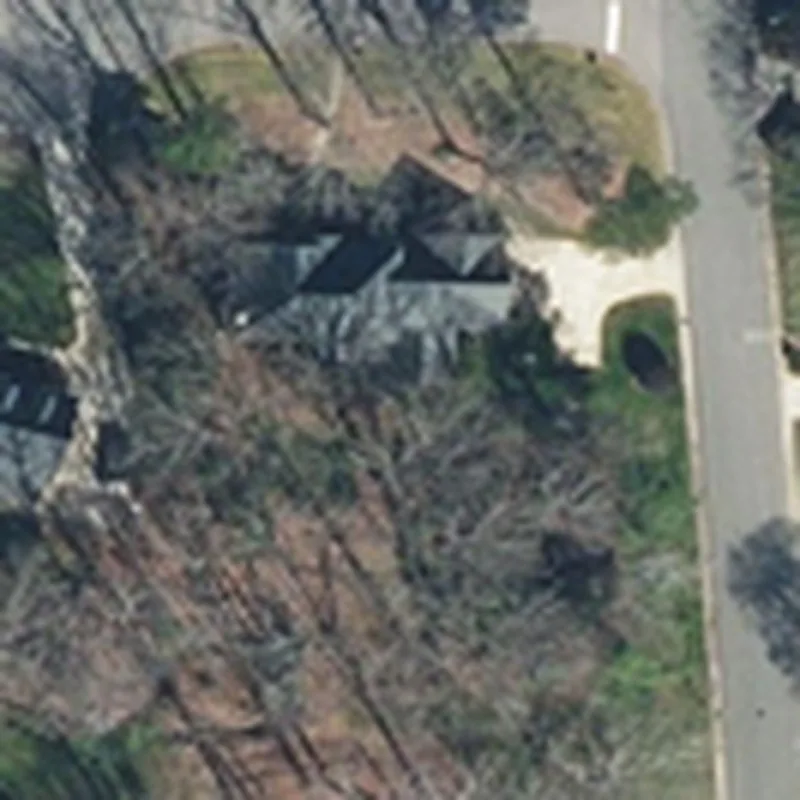
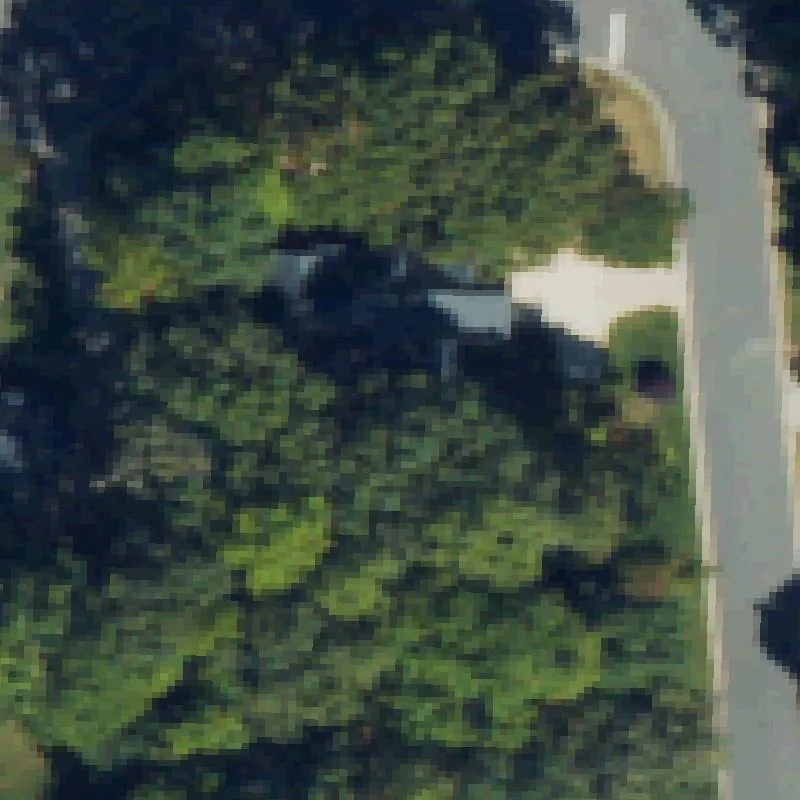
Solar
What passes, and what never gets called
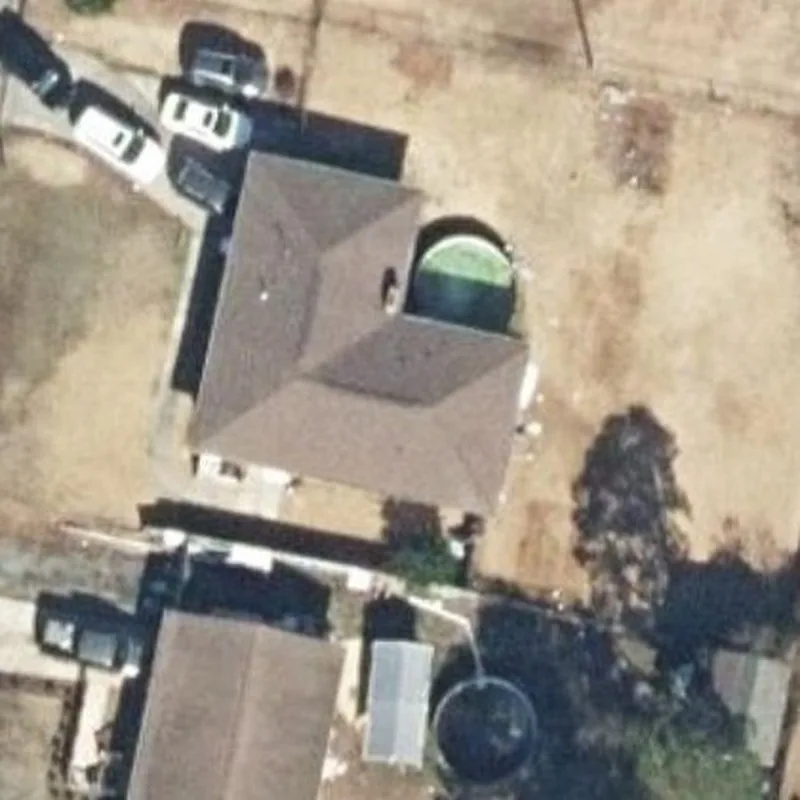
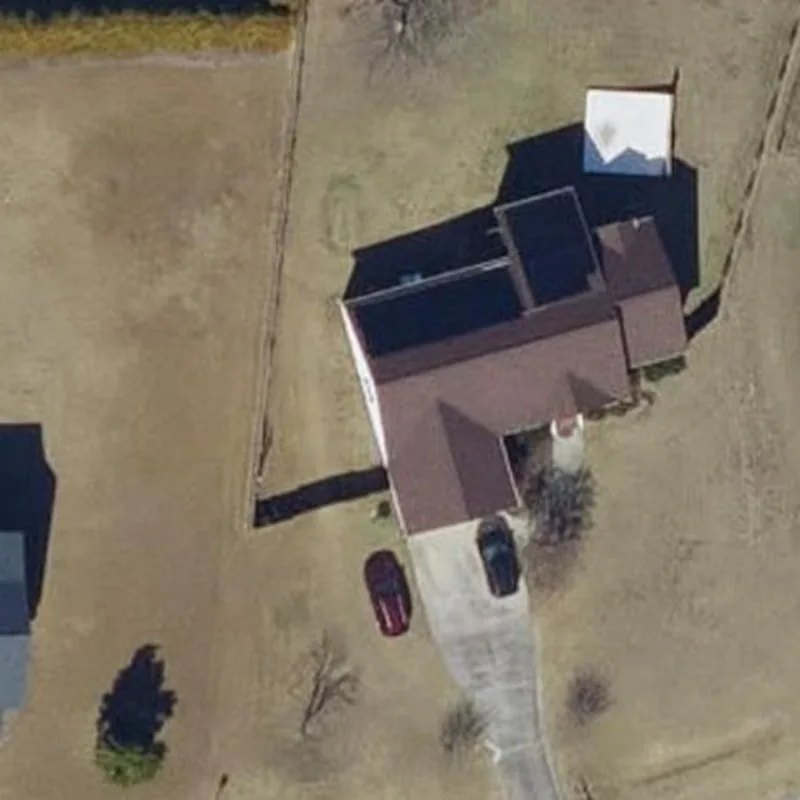
Roofing
The same look from above, a different question
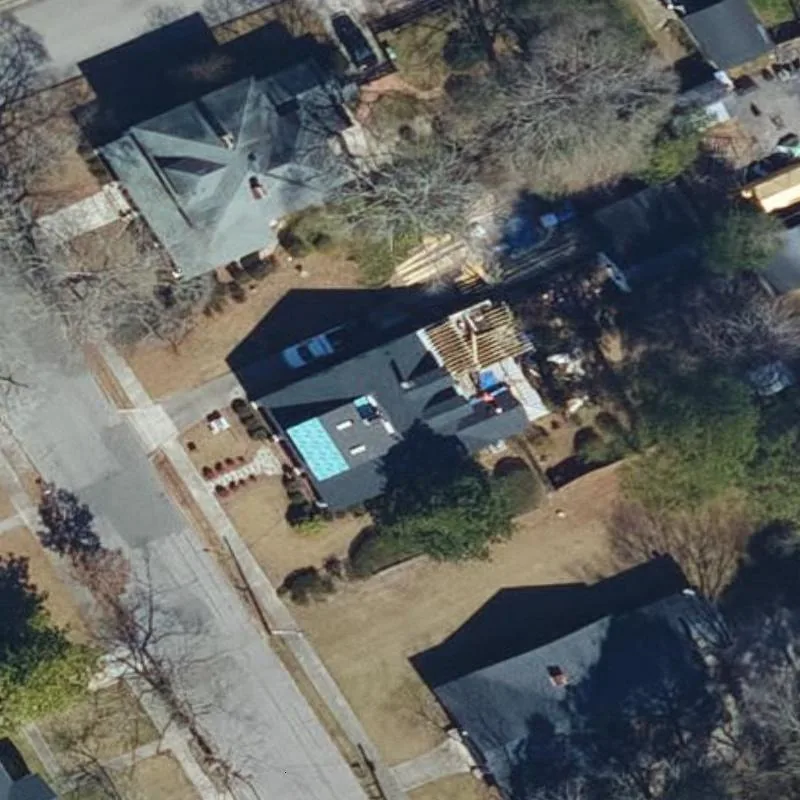
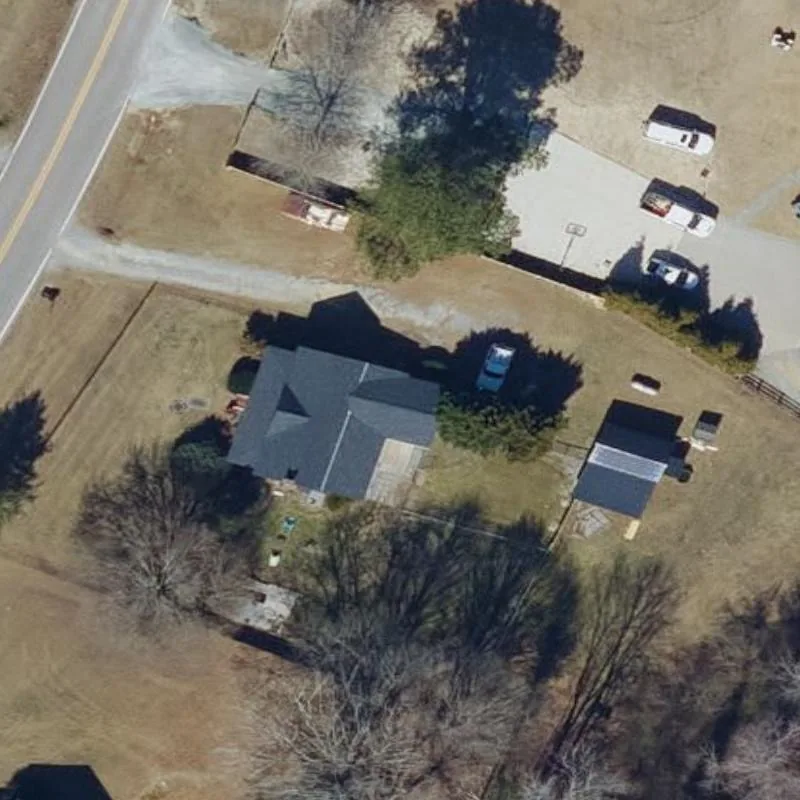
City only. We never publish a street address, an owner name or a phone number — these are real homeowners.
What gets removed
The screening, in numbers
From our North Carolina solar run. The point of a checked list is not what is on it — it is what is not.
41,173 roofs checked, 30,000 delivered
The 466 poor roofs do not go in the bin — a roof too worn to carry an array is a roofing prospect, so they move across to the other list. The 781 matter most, though. Nothing in the public record flags them, so on an unchecked list every one is a caller being told they already have panels.
200 county records, 23 leads
Eighty-two of two hundred were removed before anyone picked up a phone. That is the difference between a list of addresses and a list of prospects.
Every delivered record carries the owner’s own verified mobile, DNC-scrubbed. How the tracing works, and ask for a sample of your market.
Roofing contractor rather than a solar installer? The same check runs with the judgement inverted — roofing leads, screened from the air.
Frequently Asked Questions
How much does solar lead data cost?
$0.03 per verified record. Roofing data is the same price. You're billed on records delivered after verification, not on the raw list we started from.
How do you know if a home already has solar panels?
We assess current aerial imagery of each property with a computer vision model. Rooftop arrays are clearly visible from above, so homes that already went solar are identified and separated out before the list reaches you.
Where does the property data come from?
County property appraiser records and public filings — official public sources — combined with public aerial imagery. Contact details are appended through data providers and validated before delivery.
Is the data DNC scrubbed?
Yes. Every list is scrubbed against the federal Do Not Call registry before it's delivered.
Can I bring my own list to be verified?
Yes. If you already have a list, we can run it through aerial verification and hand it back with the assessment appended and the dead weight removed.
What about homes that already have panels?
We don't throw them away — we tag them separately. They're the wrong lead for a new install, but the right one for battery and storage add-ons, maintenance, or repair work.
Want to see what verified data looks like?
Tell us your service area and we'll put a sample file in front of you.
Request a sample →Explore more: Skip Tracing · Cold Calling · Text Blasting · Appointment Setting · All Services