
Roofing leads & roofing data
Roofing leads from roofs we have actually looked at
Every roofing list on the market is sorted by the year the house was built. We check the roof itself against current aerial imagery, drop the ones that are fine, and put your callers in front of the homeowners whose roof is visibly going.

The problem
Roof age is not roof condition
A 2004 home re-roofed in 2019 still reads as twenty-two years old in every public dataset on the market. Sort a county by year built and a large share of what you get back has a roof newer than your own van. Your crew finds that out on the doorstep, or your caller finds it out ninety seconds into the call.
The inverse is just as expensive. A 1998 roof replaced badly in 2012 is failing now, and no database anywhere will flag it. Age tells you when a roof was born. It tells you nothing about how it is doing.
It is, however, obvious from directly above — a tarp, a patched section, exposed decking, granular loss, rust on metal panels. So that is where we look before a single name reaches your team.
Before anyone is called
What a check looks like
Two real checks from our North Carolina pilot, shown by city only. One becomes a lead. One never leaves the building.
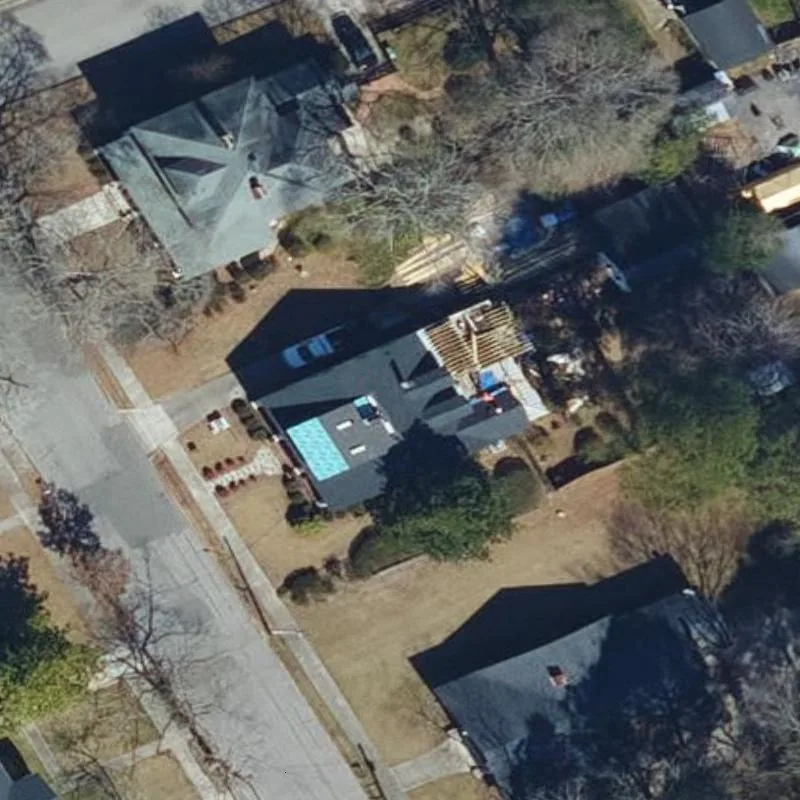
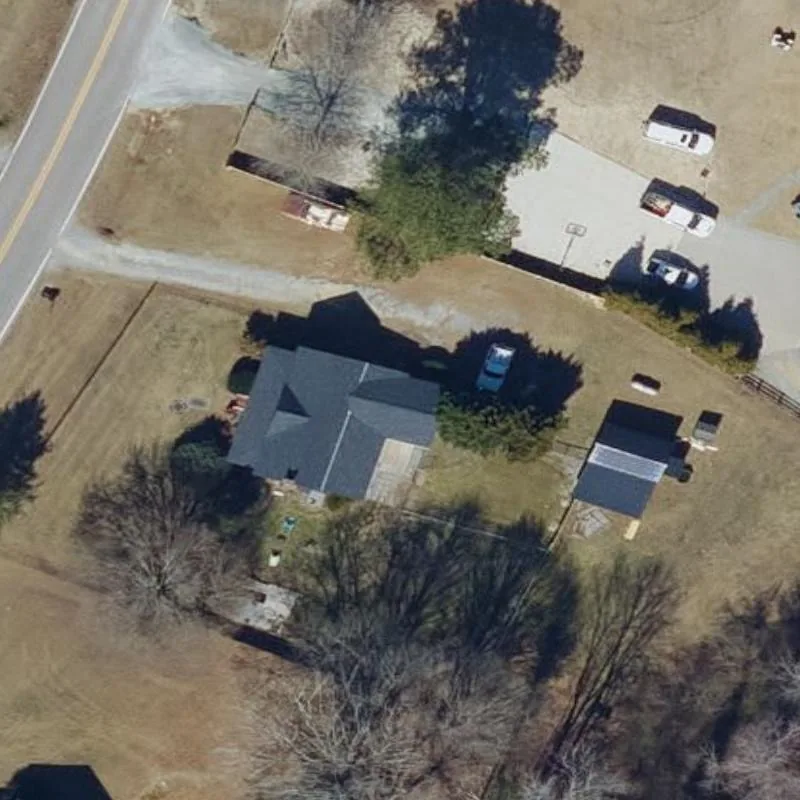
City only. We never publish a street address, an owner name or a phone number — these are real homeowners.
The pilot
200 records in, 23 leads out
From our North Carolina roofing pilot. The number that matters is not the 23 — it is the 82 your crew never had to touch.
23 roofs worth a conversation
Each one carries the owner’s own verified mobile, scrubbed against the national Do Not Call registry before it reaches anyone.
82 removed before a single dial
Sheds, barns and outbuildings that a county record happily lists as a structure. Nobody is home at any of them.
A separate run on the solar side moved another 466 homes across to roofing — roofs too worn to carry a solar array are exactly the roofs a contractor wants. How the same check works for solar.
Individual results vary. This is one pilot in one state, not a forecast for your market.
Two ways to buy
Take the data, or take the appointment
You call them
Screened records with the owner’s verified mobile, DNC scrubbed, formatted for your dialer. From $0.03 per verified record. Right if you already have canvassers or a phone room and just want them pointed at the correct houses.
We call them and book the visit
A dedicated caller works the screened list and books homeowner appointments for repair, upgrade and replacement into your calendar — qualified against the criteria you set, with the recording attached so you can hear what was promised.
Weighing this against Angi, exclusive lead vendors or Google Local Services Ads? We put all five channels side by side, carried through to cost per booked job rather than cost per lead: how much roofing leads actually cost in 2026.
The honest part
What aerial checking does not tell you
It reads the roof surface, not the deck underneath it. Hail bruising that has not yet opened up does not show from above, and neither does a leak that is quietly rotting a rafter. Underlayment, flashing and ventilation are all invisible to it. What it does reliably is separate the roofs that are visibly failing from the roofs that are fine — which is the decision that stops your crew driving to houses that never needed them.
And a screened list is still a cold list. These homeowners did not raise a hand; they have a roof that looks its age from the air. That makes for a much better first conversation than a random dial, and it is not the same thing as an inbound enquiry. Anyone selling you aerial-checked data as though it were a warm lead is overselling it.
FAQ
Frequently asked questions
How is this different from buying a roofing lead?
A roofing lead is usually a form fill, sold to several contractors at once, and you are racing the others to call it. This is data, not a lead: a screened list of homeowners whose roof looks worn from above, with the owner’s verified mobile, built for your market. Nobody has called them yet — which is the point, and also the work.
What does roofing data cost?
From $0.03 per verified record on the data-only option. If you want the calling as well, that is a monthly plan with a dedicated caller rather than a per-record price — see what each plan includes. Exact numbers come on the strategy call, once we know the market and the volume.
Do you do storm work?
We can build a list for an area you are already working, and visible storm damage is exactly what the check picks up. What we do not do is promise a storm-triggered feed the morning after a hail event — that is a different product and we would rather say so than sell you something we do not run.
Which states do you cover?
The pilots were run in North Carolina and the check itself is not state-specific — it needs current aerial coverage and a usable county record, which most of the country has. Tell us the counties you serve on the call and we will say plainly whether the imagery there is good enough to be worth your money.
Is the data exclusive to me?
The list is built to your criteria for your market, and we do not resell a screened set as a shared lead the way a lead marketplace does. If you want a market worked for you alone, say so on the call and we will tell you whether we already have someone in it.
See a sample of your own market
Tell us the counties you serve and we will screen a sample and send it back — the roofs that passed, the roofs that did not, and what we would have dropped. Fifteen minutes, and we will tell you honestly if the imagery in your area is not good enough to be worth it.